All of us want to drive fast, but great power takes a lot of money. Or so has been said... In this article, we will be covering the easiest and budget friendly car mods to increase horsepower.
Before You Install Any Modifications
The most important "mod" is a healthy engine. If you add modifications to a car with existing issues, it can lead to problems. So before adding any modifications, this is what you should do:
Spark Plugs: Install fresh plugs, ensuring they are the correct heat range for your intended power level.
Fresh Fluids: Change your oil and filter, transmission fluid, and coolant.
Inspect Wear Items: Check belts, hoses, and bushings for cracks or leaks.
System Health: Perform a compression and leak-down test to verify the internal health of your cylinders before adding boost or tuning.
Also, make sure that your modifications are street legal.
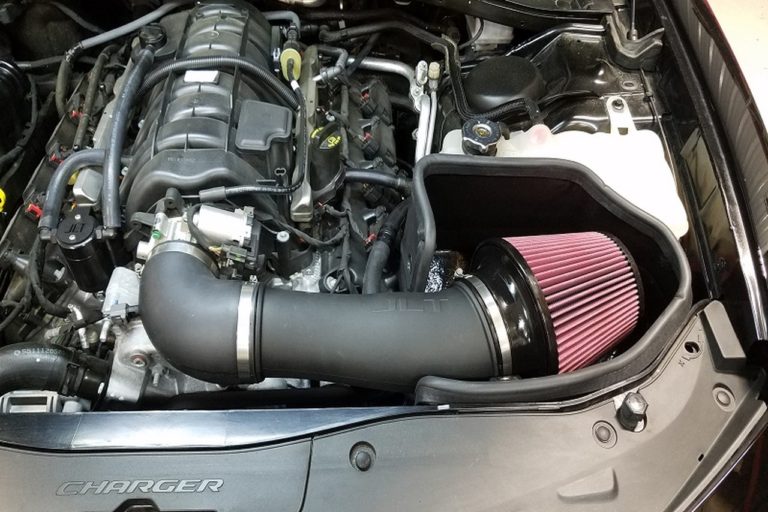
5. Cold Air Intake (CAI) System
Price: $150-$500
A cold air intake (CAI) is an aftermarket assembly that relocates the air filter somewhere outside the hot engine bay, typically around the front bumper or fender, to draw in cooler, denser, and oxygen-rich air. This increases combustion efficiency, potentially boosting horsepower and throttle response. Although it may be pricey for some people, it is better than buying thousands of dollars' worth of parts.
Benefits of a Cold Air Intake
Increased Horsepower & Torque: By feeding cooler, denser air (which contains more oxygen) to the engine, combustion is improved, leading to higher performance and power.
Improved Airflow: Aftermarket systems generally use less restrictive, larger tubing and filters compared to stock setups.
Better Fuel Economy: Some users experience minor improvements in fuel efficiency.
Potential Drawbacks
Installation & Maintenance: While many are simple bolt-on, they require regular cleaning and, if oily, proper re-oiling.
Lower Filtration Efficiency: Some high-flow filters may allow more dirt to enter the engine compared to restrictive factory filters.
Risk of Water Ingestion: Because the filter is often lower, there is a higher risk of sucking in water during heavy rain or flooding.
Performance
Horsepower Gains: Generally 5-15 HP, depending on the vehicle.
A video explaining how to install a CAI
4. Short-Throw Shifter
Price: $70 – $600
A Short-Throw Shifter reduces the distance a manual transmission lever must travel to engage gears. It enhances driving by providing a tighter, sportier feel and reducing the time between shifts.
Key Benefits
Faster Shifts and Improved Performance: Reduction in the throw distance allows for quicker engagement of gears and less time with your hand off the steering wheel. This can translate into faster acceleration and potentially better lap times on the track.
Improved Precision: Short-Throw shifters help drivers select the correct gear more confidently and accurately, reducing the chance of accidentally missing shifts.
Potential Considerations
Increased Shift Effort: The reduced mechanical advantage means you may have to use slightly more force to change between gears compared to a stock shifter.
A video explaining how to install a Short-Throw Shifter
3. Performance Air Filter
Price: $30 – $100
A Performance Air Filter increases engine power and efficiency by using less restrictive materials, allowing for a higher volume of air to reach the combustion chamber
Key Benefits
Washable and Reusable: Unlike disposable paper filters, performance filters are typically designed to be cleaned, oiled, and reused, making them more cost-effective over the long term.
Better Particle Retention: Despite the higher flow rates, these performance air filters are engineered to catch particles using a sticky oil barrier.
Potential Considerations
Maintenance Required: Performance air filters must be cleaned and re-oiled reguarly to maintain Efficiency and over-oiling can damage engine sensors. So prepare to get your hands dirty if you are going to buy this part.
A video explaining how to fit a performance air filter
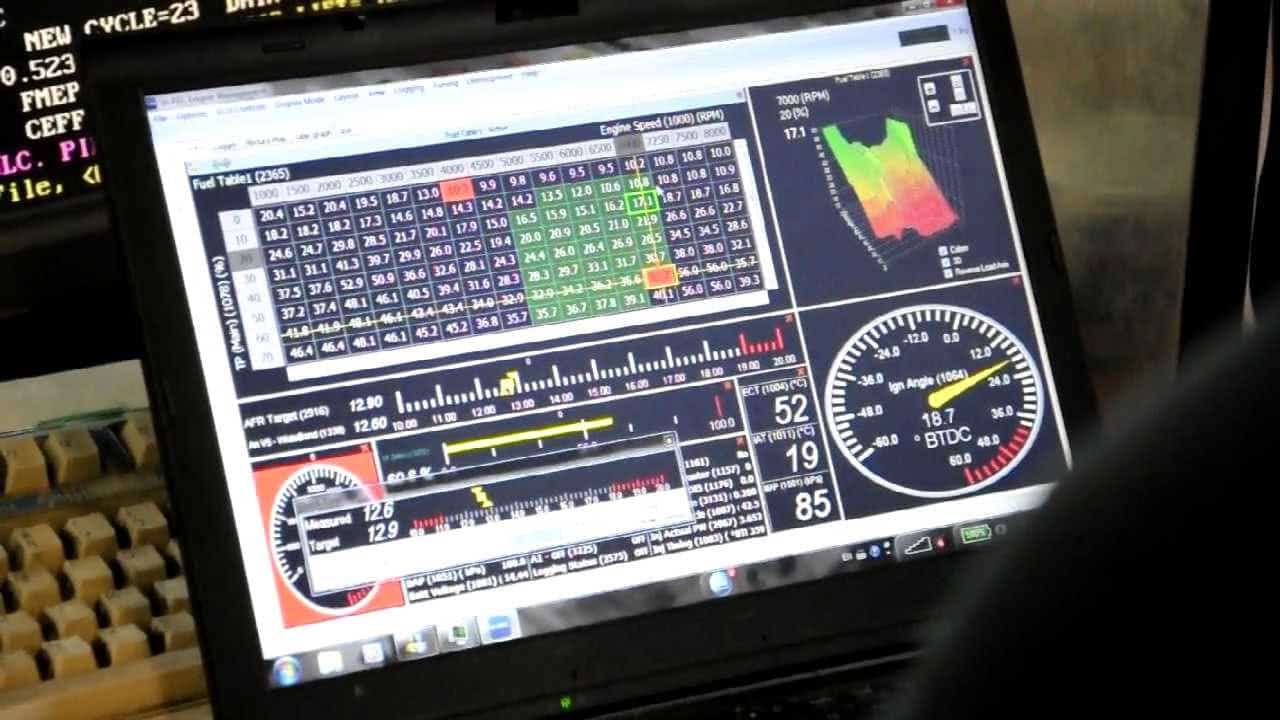
2. ECU Tuning
Price: $200 – $500 (Basic)
ECU tuning modifies the enfine control unit's software to optimize air-fuel ratios, ignition timing, and boost pressure for improved horsepower, torque, and throttle response.
Key Benefits
Increased Horsepower and Torque: Optimizing engine settings for better efficiency.
Sharper Throttle Response: Reducing delay between pedal input and acceleration.
Potential Considerations
Engine Reliability Risks: Pushing beyond factory limits can cause premature component failure, overheating, or engine damage.
Increased Operating Costs: Tuning often requires higher octane (premium) fuel to prevent knocking.
Increased Operating Costs: Tuning often requires higher octane (premium) fuel to prevent knocking.
Emissions & Legal Issues: Modified software can increase emissions, potentially making the car illegal for road use in some regions.
A video explaining ECU Tuning
IMPORTANT:
To make ECU tunes street-legal in the US, you must ensure they comply with federal EPA emissions standards by not altering emissions controls, and ideally, by using tunes with a CARB Executive Order (EO) number, especially in California.
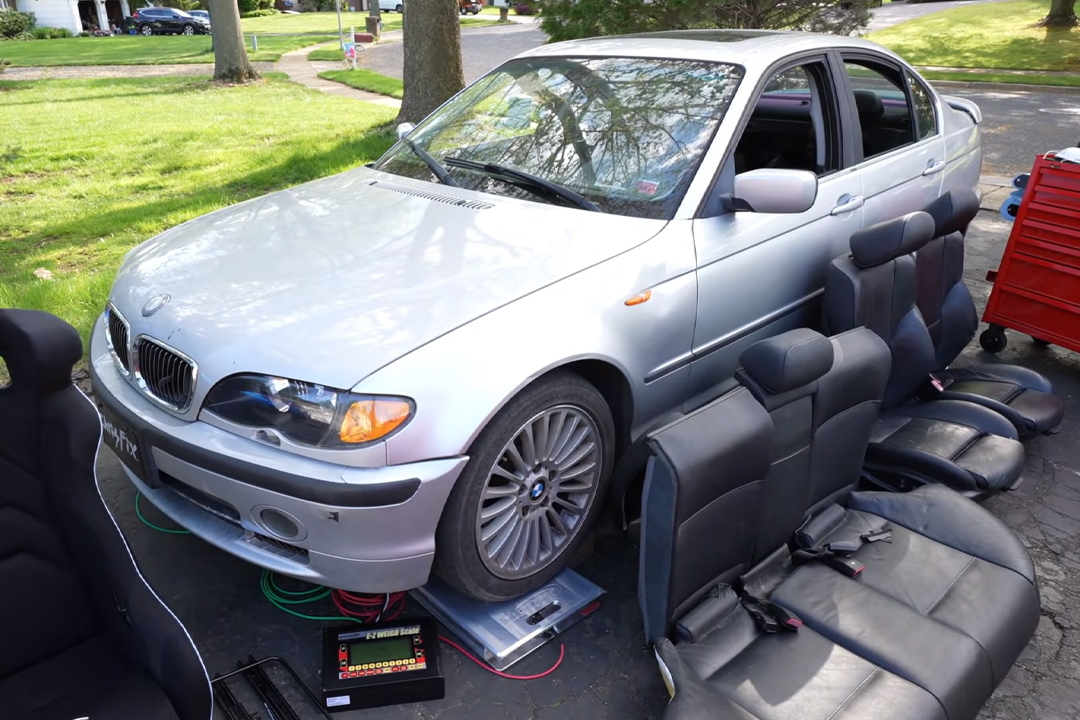
1. Weight Reduction
Price: $0 – $1000+
Weight reduction can range from stripping out your car, such as removing the passenger seats and plastic trimming for free, to thousands of dollars for materials such as carbon fiber.
Key Benefits
Acceleration: Lighter vehicles achieve higher speeds faster due to a better power-to-weight ratio.
Handling: Reduced mass reduces strain on suspension and tires, resulting in more responsive, precise handling and better cornering.
Braking: Lower momentum allows for shorter braking distances.
Reduced Unsprung Weight: Reducing weight in wheels, tires, and brakes provides the most significant improvements to handling and ride quality.
Better Fuel Economy: A 10% reduction in weight can boost fuel economy by 6-8%.s.
Potential Considerations
Reduced Comfort and Practicality:Stripping interiors often means losing air conditioning, radio, or rear seats, making daily driving uncomfortable.
High-Speed Instability: Extremely light vehicles can feel "darty" or less planted on the road, particularly in crosswinds.
Increased Operating Costs: Tuning often requires higher octane (premium) fuel to prevent knocking.
Handling Imbalance: Uneven removal of weight can ruin factory weight distribution, causing unpredictable oversteer or understeer.
A video explaining weight reduction
Related Articles
Driving the Hybrid Revolution: Which Sports Hybrids Actually Deliver?
This article explores the accelerating trend of hybrid technology in the automotive industry, shifting focus from pure efficiency to high-performance driving.